中文
中文 English
 Russian
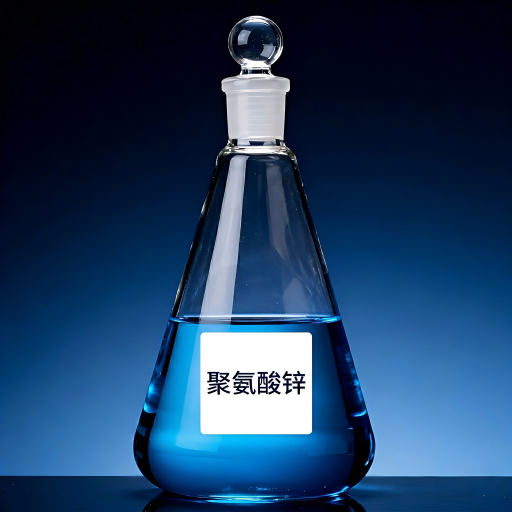
Technical specifications
Chemical and Physical Specifications (Agricultural Grade)
| Serial Number | Indicator name | Specification Requirements |
|---|---|---|
| 1 | Free Amino Acids | ≥ 350 g/L |
| 2 | Zinc (Zn) | ≥ 110 g/L |
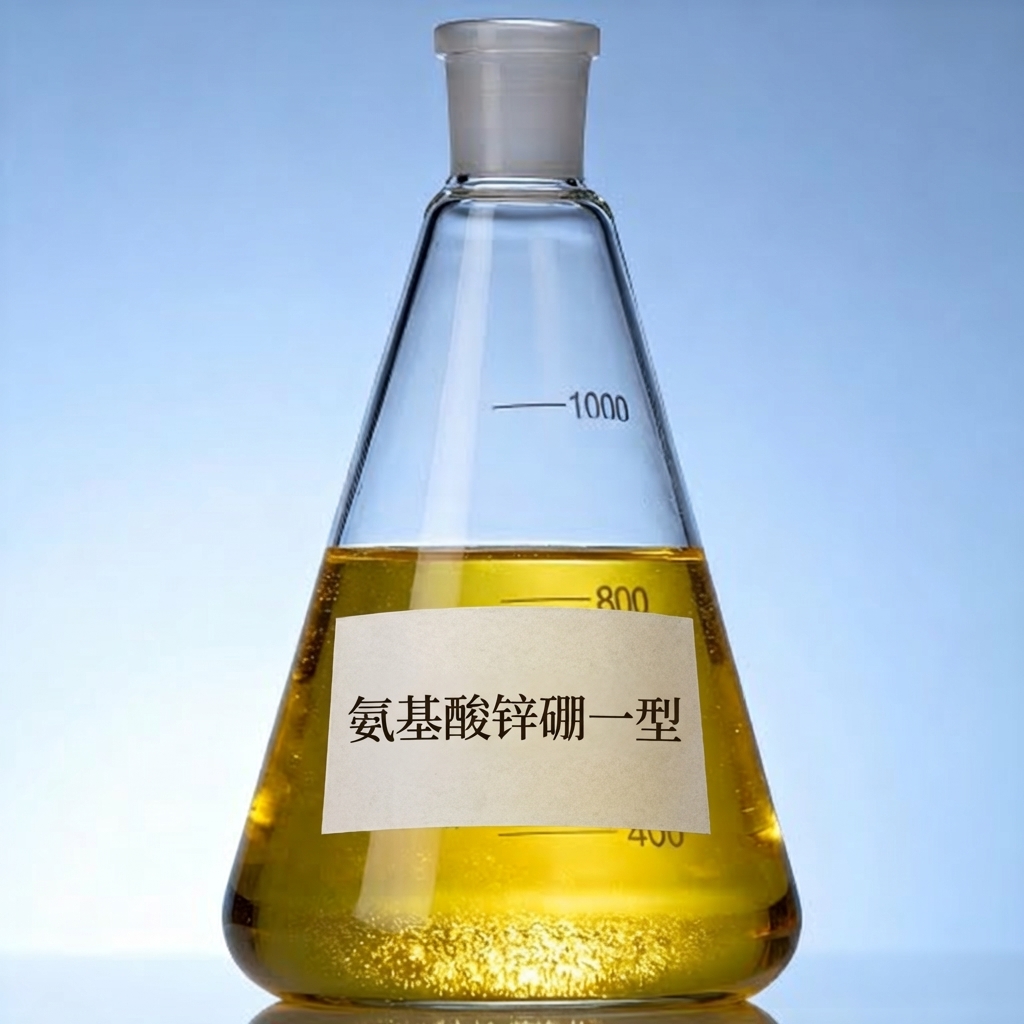
| 3 | Appearance | Blue liquid |
| 4 | pH (1% aqueous solution) | 5 — 7 |
| 5 | Water Solubility | Fully water-soluble |
| 6 | Stability | Stable at room temperature, no separation |
Physical Properties
| Projects | Description |
|---|---|
| Appearance | Blue liquid, uniform color |
| Odor | Slight characteristic amino acid odor |
| Water Solubility | Fully water-soluble, dissolves rapidly. |
| pH (1% aqueous solution) | 5–7, slightly acidic to neutral. |
| Stability | Stable at room temperature, no separation |
Product description
Product overview
Poly amino acid zinc is a highly concentrated organic zinc fertilizer produced using polyamino acid chelation technology. The product is a blue liquid with free amino acids ≥350 g/L, zinc content ≥110 g/L, pH 5-7. Zinc is in a chelated form with polyamino acids, ensuring direct uptake by plants, effectively preventing and correcting zinc deficiency symptoms.
Key Advantages
- High-concentration organic zincZinc content ≥110 g/L, polyamino acid chelated form, good stability.
- High efficiency absorptionAmino acid chelation technology, zinc uptake is 3-5 times higher than conventional inorganic zinc fertilizers.
- Double nutritionFree amino acids ≥ 350 g/L, simultaneously replenishes zinc and organic nitrogen.
- Fully water-solubleRapidly dissolves, suitable for various application methods such as drip irrigation and foliar feeding.
- Prevention of zinc deficiencyEffective prevention of zinc deficiency symptoms: small leaves, seedling chlorosis, leaf rosetting.
- Safety and StabilitypH 5-7, safe for plants and soil
Area of application
Application recommendations
Drip irrigation application (recommended)
Fully water-soluble formula, suitable for protected cultivation and precision fertilization; zinc chelated with polyamino acids can be directly absorbed and utilized by plants.
- Concentration: dilute 500–1000 times
- Application rate: 1–3 L/mu per application
- Frequency: every 10–15 days
- Note: Can be used together with water-soluble macronutrient fertilizers.
Foliar Feeding
Quickly replenishes zinc, eliminates deficiency symptoms, and is especially suitable for application at the seedling stage and during plant vegetative growth.
- Dilution ratio: 800–1200 times
- Application rate: 30 — 60 L/mu
- Time: morning or evening, avoiding high temperatures.
- Note: Combined use with insecticides enhances effectiveness
Fertigation
Application with irrigation water (fertigation), suitable for zinc supplementation in fruit trees, vegetables, and other row crops.
- Application Rate: 2–5 L/mu/time.
- Dilution ratio: 1:200 – 1:500
- Timing: key crop growth stages
- Note: multiple small-dose applications provide better results
Mixing water-soluble fertilizers
Used as a zinc source in combination with water-soluble macrofertilizers to ensure balanced nutrition.
- Applied together with water-soluble macro-nutrient fertilizers.
- Addition ratio: 1 — 3%
- Suitable for melons, vegetables, fruit trees
- Can be used alone or in combination with other micronutrient products.
Suitable crops and recommended dosage
| Crop Type | Typical crops | Rate for drip irrigation | Foliar application frequency | Application period |
|---|---|---|---|---|
| Fruit Trees | Apple, pear, peach, grape, citrus. | 2–3 L/ha | 800–1000 times | Germination stage, shoot growth stage |
| Vegetables | Tomatoes, cucumbers, peppers, eggplants | 1 — 2 L/ha | 800–1200 times | Seedling Stage, Flowering Stage |
| Field Crops | Corn, Wheat, Rice | 1 – 2 L/mu | 800–1000 times | Seedling stage, stem elongation stage |
| Oilseed crops | Soybean, Peanut, Rapeseed | 1 – 2 L/mu | 800–1000 times | Seedling Stage, Flowering Stage |
| Industrial crops | Tobacco, Tea, Cotton | 1 – 2 L/mu | 800–1200 times | Growing season, before harvest |
- Store in a cool, dry place, avoiding direct sunlight and freezing.
- Zinc dosage must be controlled to avoid toxicity from excess.
- Compatible with most fertilizers and pesticides, however, it is recommended to conduct a small-area compatibility test before use.
- For foliar application, it is recommended to first test on a small area and, after confirming no phytotoxicity, apply to larger areas.
- Before use in drip irrigation, it is recommended to filter the solution to prevent clogging of drippers.
Frequently Asked Questions
Typical symptoms of zinc deficiency in crops include:
- Leaf SymptomsInterveinal chlorosis and yellowing of new leaves, formation of yellow-white spots, leaves become smaller and narrower, and 'rosetting' (small leaf) appears.
- Plant SymptomsGrowth retardation, shortened internodes, dwarfing, rosette formation
- Fruit symptomsFruits are small, deformed, quality reduced
Zinc deficiency in corn appears as 'white seedlings', in rice as 'dwarf seedlings', and in fruit trees as 'small leaves' and 'rosette'.
The main difference lies in the chelation process and nutrient form:
- Ordinary zinc fertilizerIn the form of inorganic salts (such as zinc sulfate, etc.), plants need to convert it into an absorbable form; absorption rate is low.
- Zinc chelated with polyamino acidsZinc is in chelated form with polyamino acids, has high stability, can be directly absorbed by plants, with absorption rate 3-5 times higher than conventional inorganic zinc fertilizers.
Furthermore, amino acids themselves are an organic nitrogen source directly assimilated by plants, significantly enhancing stress tolerance and crop quality.
The timing of zinc application should be determined according to the crop growth cycle and its specific nutritional requirements:
- Emergence stageStimulates seedling growth and development
- Shoot Growth PeriodSatisfies the zinc requirement for new leaf growth.
- Before and after floweringPromotes flower bud differentiation and fruit set.
- Fruit Filling PeriodPromotes normal fruit development and enhances fruit quality.
Recommended to apply in advance during key zinc demand periods for crops; prevention is better than cure.
Store in original packaging in a cool, dry, well-ventilated place. Shelf Life:12 monthsStorage precautions:
- Avoid direct sunlight and freezing.
- Recommended storage temperature 5–35°C
- Avoid co-storage with strong oxidizers, acids, and alkalis
After opening, use as soon as possible; unused product should be stored in a tightly sealed container.
This product is exported to regions including Southeast Asia, the Middle East, Europe, and others; export documents provided include:
- Commercial Invoice
- Packing List
- Certificate of Origin (CO)
- Phytosanitary certificate
- SDS/MSDS (Multilingual Version)
- Certificate of Analysis (COA)
Send Inquiry
Please fill in the following information, our commercial team will contact youWithin 2 working daysWe will reply to you.