中文
中文 English
 Russian
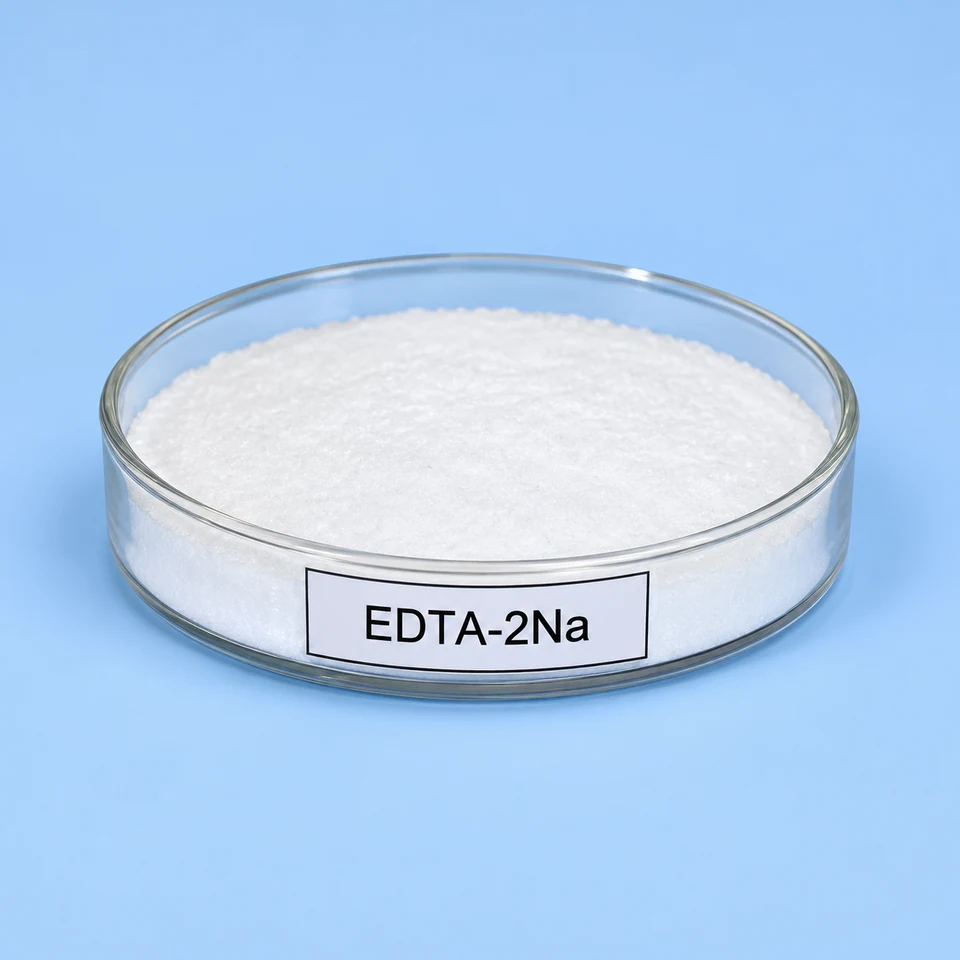
Technical specifications
Basic Information
| Parameter | Parameter |
|---|---|
| Product Name | Disodium salt of ethylenediaminetetraacetic acid / EDTA-2Na / EDTA disodium salt |
| CAS No. | 6381-92-6 |
| Molecular Formula | C10H14N2Na2O8·2H2O |
| Molecular weight | 372.24 |
| Appearance | White Crystalline Powder |
Technical specifications for industrial grade
| Analysis Parameter | Standard |
|---|---|
| Content | 99.00% Min. |
| Chlorides (Cl⁻) | 0.01% Max. |
| Sulfate (SO₄²⁻) | 0.05% Max. |
| Heavy Metals (Pb) | 0.001% Max. |
| Iron (Fe) | 0.001% Max. |
| Chelation Value | 256 Min. (mgCaCO₃/g) |
| pH (50g/L, 25℃) | 4.0 — 5.0 |
| Appearance | White Crystalline Powder |
Technical specifications for household chemicals
| Analysis Parameter | Standard |
|---|---|
| Content | 99.50% Min. |
| Chlorine (Cl⁻) content | 0.01% Max. |
| Sulfate (SO₄²⁻) | 0.05% Max. |
| Heavy Metals (Pb) | 0.001% Max. |
| Iron (Fe) | 0.001% Max. |
| Chelation Value | 267 Min. (mgCaCO₃/g) |
| pH (50g/L, 25℃) | 4.0 — 5.0 |
| NTA | 0.1% Max. |
| Appearance | White Crystalline Powder |
Additional specifications and supply
| Parameter | Details |
|---|---|
| Packaging material | 25 kg kraft paper bags |
| Storage | Protect from sunlight, moisture and fire |
Product description
Product overview
Disodium ethylenediaminetetraacetate (EDTA-2Na, disodium edetate) is an important aminocarboxylate complexing agent, chemical formula C₁₀H₁₄N₂Na₂O₈·2H₂O, molecular weight 372.24, CAS 6381-92-6. It is a white crystalline powder, readily soluble in water, slightly soluble in organic solvents. Possesses excellent chelating properties, forming stable water-soluble complexes with various metal ions (such as calcium, magnesium, iron, copper, zinc, etc.), effectively preventing precipitation, discoloration, and oxidative reactions caused by metal ions.
Product Properties
| Parameter | Description |
|---|---|
| Appearance | White Crystalline Powder |
| Molecular Formula | C₁₀H₁₄N₂Na₂O₈·2H₂O |
| Molecular weight | 372.24 |
| Water soluble | Dissolves Easily and Quickly in Water |
| pH (50 g/L, 25°C) | 4.0 — 5.0 |
| Stability | Chemically stable, not prone to decomposition. |
Key Advantages
- High purityIndustrial grade: content ≥99.00%; cosmetic/household grade: content ≥99.50%.
- Excellent chelating capacityHigh chelating capacity (256-267 mg CaCO₃/g), effectively binds various metal ions
- Good StabilityChemically stable, maintains chelating ability over a wide pH range.
- Wide ApplicationUsed in various industries: cosmetics, oil refining, food industry, textiles, detergents, etc.
- Excellent water solubilityEasily soluble in water, fast dissolution, convenient to use.
- Stable QualityStrict quality control ensures batch consistency.
Specification and grade comparison
| Grade | Content | Chelation Value | Limit values for heavy metal content. | Area of application |
|---|---|---|---|---|
| Industrial Grade | ≥99.00% | 256 Min. | ≤0.001% | Industrial cleaning, oil, textiles |
| Cosmetic Grade | ≥99.50% | 267 Min. | ≤0.001% | Cosmetics, personal care products, detergents |
Variety and Grade
Area of application
Cosmetics
Used as a chelating agent in cosmetics to prevent discoloration and spoilage caused by metal ions, enhancing product stability and shelf life.
Personal hygiene products
Used in soaps, shampoos, and other personal care products to enhance cleansing effect and preserve product formulation stability.
Petroleum industry
Used as an anti-caking agent to prevent precipitation of metal ions in petroleum products, improving product quality and processing efficiency.
Food additive
Used as a food additive to prevent oxidative spoilage caused by metal ions during food processing.
Textile Production
Used in textile dyeing to chelate metal ions, improving dyeing quality and fabric properties.
Detergent
Added to detergents to enhance cleaning power, soften water, and improve washing efficiency.
Industrial cleaning
Used in industrial cleaners for effective removal of oxides and contaminants from metal surfaces.
- Store in a dry, well-ventilated area, protected from direct sunlight.
- Handle with care, avoid damaging the packaging.
- Protect from moisture and rain during transportation
Application recommendations
Directions for Use and Dosage
| Area of application | Recommended dosage | Directions for Use |
|---|---|---|
| Cosmetics / Personal Care | 0.05% — 0.1% | Direct addition to the water phase with stirring until dissolved |
| Detergent | 0.1% — 0.5% | Used in mixture with surfactants |
| Textile printing and dyeing | 0.5 — 2 g/L | Used for water softening in the dye bath |
| Industrial cleaning | 1 — 5 g/L | Mixes with detergent formulation |
| Petroleum Products | 0.01% — 0.1% | Directly added to oil |
Precautions for use
- Before use, dissolve in the required amount of warm water, then add to the final product formulation.
- Avoid mixing with strong oxidizers.
- Household chemical products should be stored sealed to prevent moisture absorption.
- The specific dosage should be adjusted according to the product formulation and process requirements.
- Preliminary trials are recommended to determine the optimal dosage.
Frequently asked questions
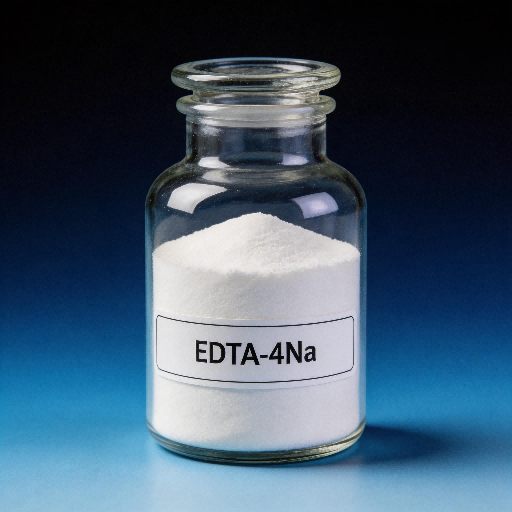
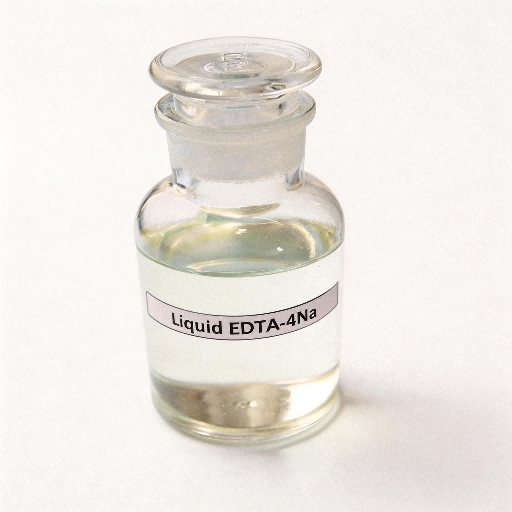
Key differences between EDTA-2Na (disodium salt) and EDTA-4Na (tetrasodium salt):
- Chemical FormEDTA-2Na is the disodium salt of ethylenediaminetetraacetic acid (containing two molecules of crystal water), EDTA-4Na is the tetrasodium salt (containing four molecules of crystal water).
- pHAqueous solution of EDTA-2Na is slightly acidic (pH 4.0-5.0), while EDTA-4Na solution is alkaline (pH 10.5-11.5).
- SolubilityThe solubility of EDTA-4Na in water is higher (about 50%), while EDTA-2Na solubility is about 40%.
- AppearanceBoth are white crystalline powder.
- Application selectionChoose the appropriate salt form based on the pH requirements of the formulation and the specific application. For acidic cosmetic and household formulations, EDTA-2Na is suitable; for alkaline industrial cleaning agents, EDTA-4Na is preferred.
The main difference between industrial and cosmetic/household grades lies in purity requirements and fields of application:
- Content requirementsIndustrial grade ≥99.00%, Cosmetic grade ≥99.50%, Cosmetic grade has higher purity.
- Chelation ValueIndustrial grade 256 min., Cosmetic grade 267 min. The cosmetic grade has stronger chelating capacity.
- NTA contentFor cosmetic and household use, NTA ≤0.1% is required; for industrial grade, this requirement does not apply.
- Area of applicationCosmetic grade is suitable for products that directly contact the body, such as cosmetics and personal care products; industrial grade is used in petroleum, textile, industrial cleaning, and other industries.
When stored in original sealed packaging in a cool, dry, well-ventilated place, the product shelf life is24 monthsStorage considerations:
- Avoid direct sunlight, store in a dry, well-ventilated place.
- Protect from moisture. After opening, use as soon as possible or reseal.
- Handle with care, avoid damaging the packaging.
Yes, we provide free samples for customer testing. For details on sample quantities and delivery terms, please contact our sales department. We offer industrial grade and household chemical grade samples; you can conduct testing and evaluation according to your actual needs.
Standard minimum order quantity is 1 ton. For special specifications or custom packaging requirements, please contact our sales department for details. We support production according to customer samples and special specification production.
This product is exported to Southeast Asia, the Middle East, Europe, South America, and other regions; export documents provided include:
- Commercial Invoice
- Packing List
- Certificate of Origin (CO/Form E/Form A)
- SDS/MSDS (Multilingual Versions)
- Certificate of Analysis (COA)
- Ocean/Air Waybill
- Other required certification documents
EDTA-2Na dissolution method:
- Dissolves in warm waterTo speed up dissolution, it is recommended to use warm water at 40-50°C.
- Add graduallyGradually add EDTA-2Na powder to water while stirring continuously.
- Avoid direct heatingDo not place the product directly into boiling water to avoid clumping.
- pH adjustmentTo adjust pH, add a small amount of sodium hydroxide solution.
Solubility of EDTA-2Na in water is approximately 40%; temperature must be considered when preparing concentrated solutions.
Send Inquiry
Please fill in the following information, our commercial team will contact youWithin 2 working daysWe will respond to you.
Products of the same series
More options of EDTA chelating agents