中文
中文 English
 Russian
Technical specifications
Chemical and physical properties
| Serial Number | Indicator name | Specification Requirements |
|---|---|---|
| 1 | Nitrogen (N) | ≥ 50g/L |
| 2 | Iron (Fe) | ≥ 40g/L |
| 3 | Zinc (Zn) | ≥ 50g/L |
| 4 | Manganese (Mn) | ≥ 5g/L |
| 5 | Copper (Cu) | ≥ 5g/L |
| 6 | Magnesium (Mg) | ≥ 6g/L |
| 7 | Seaweed Extract | ≥ 420g/L |
| 8 | Mannitol | ≥ 380g/L |
| 9 | Density | 1.42 — 1.52 g/cm³ |
| 10 | pH (1:250 dilution) | 4.5 — 6.5 |
Product characteristics
| Characteristics | Description |
|---|---|
| Chelation technology with sugar alcohols | Fully chelated with sugar alcohols, meso- and micronutrients are rapidly transported through the plant phloem. |
| Slightly Acidic Medium | pH 4.5-6.5, promotes absorption and uptake of meso- and micronutrients. |
| Multi-element synergism | Simultaneously supplies Fe, Zn, Mn, Cu, Mg and other secondary and micronutrients. |
| Active seaweed components | Contains seaweed extract ≥420 g/L and mannitol ≥380 g/L |
| Direct uptake and utilization | Direct absorption and utilization by target organs, superior to conventional secondary and micronutrient fertilizers. |
| Broad spectrum of application | Suitable for field crops, industrial crops, horticultural and ornamental plants. |
Product description
About Chlorosis
Chlorosis is a condition where part or all of the plant leaf blade loses green color, appearing yellow or yellow-green. Chlorosis can be classified intoPhysiologicalIPathologicalTwo types. Physiological chlorosis is usually caused by adverse external conditions (drought, waterlogging, or poor soil) or element deficiency in the plant, among which the most common is chlorosis due to deficiency of iron, sulfur, nitrogen, magnesium, zinc, manganese, and copper.
Product overview
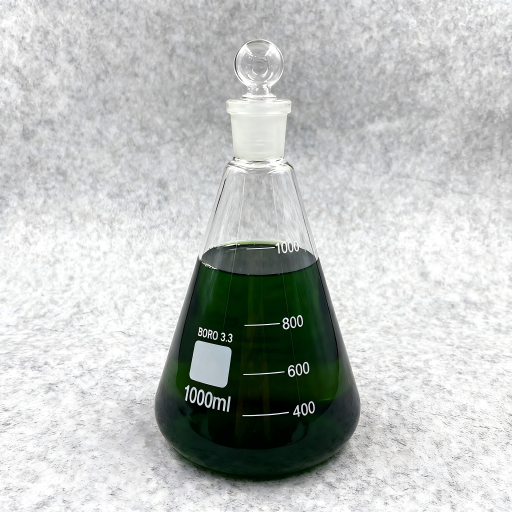
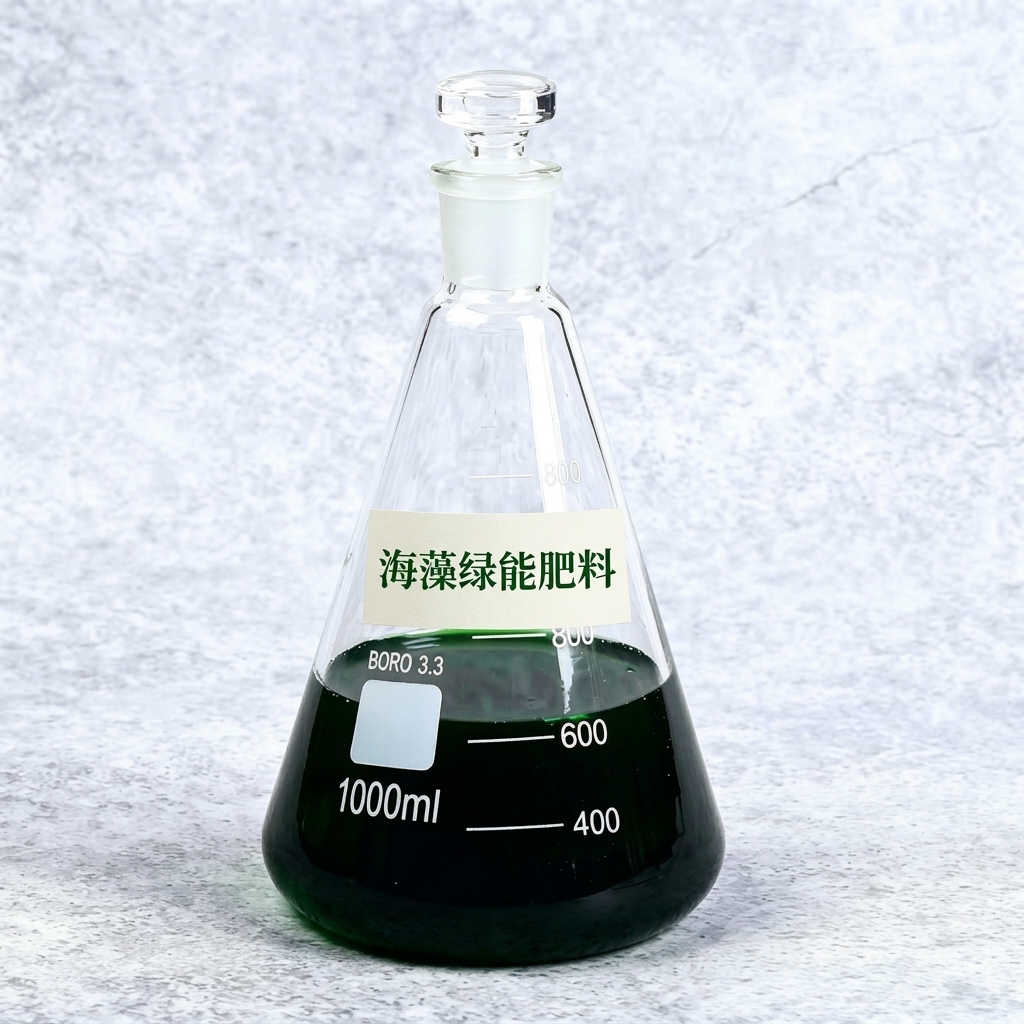
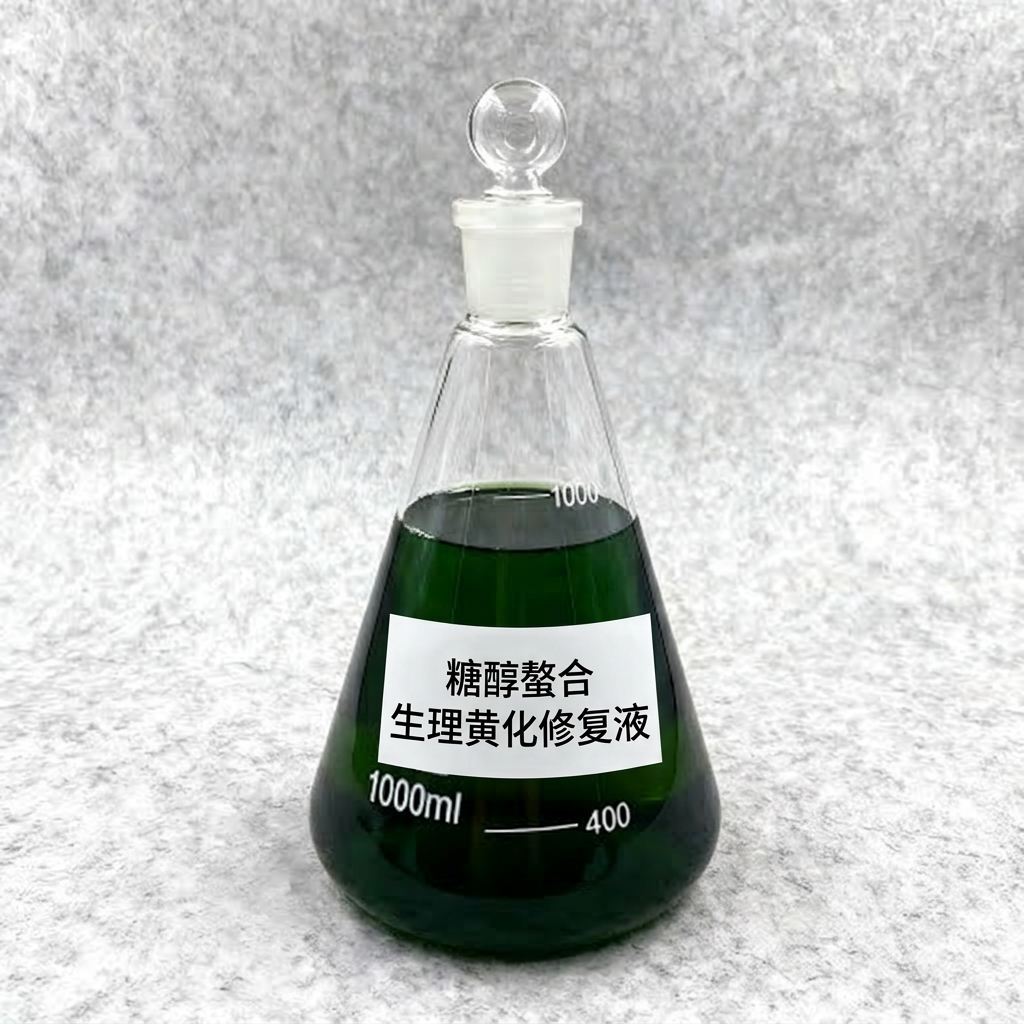
Sugar alcohol chelate-based nutrient fertilizer for physiological chlorosis recovery is specially designed to treat physiological chlorosis. Applied via drenching or spraying, it improves the microecology of the root system or leaves; the slightly acidic environment promotes secondary and micronutrient absorption. Complete sugar alcohol chelation allows nutrients to rapidly transport through the plant phloem and be directly taken up at required sites, which is unattainable with conventional secondary and micronutrient fertilizers.
Key Advantages
- Multi-component formulaSimultaneously replenishes Fe, Zn, Mn, Cu, Mg and other secondary and micronutrients, providing comprehensive restoration in one application.
- Chelation technology with sugar alcoholsFully sugar alcohol-chelated secondary and micronutrients are rapidly transported through phloem and directly absorbed by the plant parts in need.
- Slightly Acidic MediumpH 4.5–6.5, promotes absorption and uptake of meso- and micronutrients, improves fertilizer efficiency.
- Active seaweed componentsSeaweed extract ≥420 g/L, mannitol ≥380 g/L, promotes plant growth
- Prevention and treatmentSpraying before disease onset prevents physiological chlorosis and premature plant aging.
- Good CompatibilityCan be mixed with most fertilizers and pesticides, convenient to use.
Product Efficacy
Quick recovery from yellowing
For symptoms of physiological chlorosis caused by deficiency of iron, zinc, magnesium, etc., rapidly replenishes nutrients, restoring green leaf color.
Improvement of microecological environment
Application by root drenching or spraying improves the micro-environment of the root system or leaves, creating favorable conditions for crop growth.
Prevention of premature aging
Spraying before disease onset can prevent physiological chlorosis and avoid premature plant aging due to element deficiency.
Stress Resistance Enhancement
Active components of algae enhance crop resistance to adverse conditions such as drought and waterlogging.
Area of application
Application recommendations
Foliar Feeding (Recommended)
Rapidly replenishes meso- and micronutrients, acts directly on leaves, quickly eliminates chlorosis symptoms.
- Dilution ratio: 400–1200 times
- Spray evenly on the upper and lower leaf surfaces
- Spraying Interval: 7–15 days
- Note: For best results, 2-3 consecutive sprays are recommended.
Fertigation and drip irrigation
Apply through the irrigation system, improves the root zone microenvironment, solving the problem of element deficiency at the root level.
- Dilution ratio: 400–800 times
- Application Rate: 1–2 kg/mu/application
- Frequency: adjust according to crop condition
- Note: combining foliar feeding with fertigation provides the best effect.
Suitable Crops
| Crop Type | Representative Crops | Primary action | Recommended Application |
|---|---|---|---|
| Field Crops | Rice, wheat, corn, cotton | Prevention and correction of chlorosis caused by nutrient deficiency | Foliar feeding or fertigation |
| Industrial crops | Tea, tobacco, fruits and vegetables | Improves quality, restores green leaf color | Primary method: foliar spraying |
| Fruit Trees | Citrus, apples, grapes, pears | Correction of chlorosis due to iron and zinc deficiency. | Foliar Spray + Fertigation |
| Garden Flowers | Ornamental plants, flowers, seedlings | Restoration of decorative appearance | Primary method: foliar spraying |
- Store in a cool, dry place, avoid direct sunlight and freezing.
- Shake well before use. Use soon after opening.
- Compatible with most fertilizers and pesticides, but a small-scale test is recommended beforehand.
- For foliar application, it is recommended to first test on a small area and proceed to large-scale use only after confirming no phytotoxicity.
- After disease onset, apply 2-3 consecutive treatments and strengthen agronomic management.
- Ensure 'timely drainage during waterlogging and timely irrigation during drought' in combination with proper agricultural practices.
Frequently asked questions
Chlorosis is a disease where part or all of the plant leaf blade loses green color, manifesting as yellowing or yellow-green discoloration. It is divided into two types:
- Pathological chlorosisCaused by pathogens: viruses, bacteria, fungi, etc.
- Physiological yellowingCaused by environmental factors or nutrient deficiencies. Common causes include:
Common causes of physiological yellowing:
- Iron DeficiencyVeins of new leaves green, leaf tissue yellowing
- Zinc DeficiencyLeaves are small and yellowing, rosetting observed
- Magnesium DeficiencyInterveinal Chlorosis of Old Leaves
- Nitrogen DeficiencyUniform yellowing of the entire leaf blade
- Sulfur deficiencyVein chlorosis on young leaves
- Manganese deficiencyYellow Spots Appear on Leaves
- Copper deficiencyLeaf discoloration and deformation
Physiological chlorosis is closely related to environmental factors (drought, waterlogging, poor soil).
Chelation with sugar alcohols is an advanced fertilizer production technology with the following advantages:
- Phloem TransportSecondary and micronutrients in chelated form with sugar alcohols can be rapidly transported via plant phloem, which ordinary inorganic micronutrients cannot achieve.
- Direct AbsorptionNutrients can be directly absorbed and utilized by target plant parts, resulting in significantly higher efficiency than conventional secondary and micronutrient fertilizers.
- Good StabilityNutrients in chelated form with sugar alcohols are less prone to soil fixation, offering better stability.
- MobilityRapidly moves within the plant, reaching areas with element deficiency.
This is why sugar alcohol chelated products are "incomparable to conventional fertilizers containing meso- and micronutrients".
Depending on the application purpose:
- PreventionSpraying before the start of the growing season or before the onset of the disease effectively prevents physiological chlorosis.
- TreatmentApply immediately after detecting yellowing symptoms; it is recommended to perform 2-3 consecutive sprays at 7-15 day intervals.
- In combination with field managementAfter disease onset, field management should be strengthened, ensuring 'timely drainage in waterlogging and timely irrigation in drought'.
The best effect is achieved by combining foliar application with fertigation or drip irrigation.
Store in original packaging, in a dry, cool place with good ventilation. Shelf Life:24 monthsStorage considerations:
- Avoid direct sunlight and freezing.
- Avoid contact with sharp objects to prevent damage to packaging.
- Avoid storage with strong oxidizers, acids and alkalis.
After opening, the product should be used as soon as possible; remaining product should be stored tightly sealed
This product is already exported to Southeast Asia, the Middle East, Europe and other regions. Export documents provided include:
- Commercial Invoice
- Packing List
- Certificate of Origin (CO)
- Phytosanitary Certificate
- SDS/MSDS (Multilingual Version)
- Certificate of Analysis (COA)
Send Inquiry
Please fill in the following information, our commercial team will contact youWithin 2 working daysWe will reply to you.
Products of One Series
Wide selection of seaweed-based nutritional products to meet the needs of various crops.