 中文
 English
 Russian

GLDA vs EDTA: Match the Chelant to the Cleaning Task
Select the chelant around the metal-control task. Understand affinity versus capacity, then compare GLDA and EDTA with an endpoint that can support the replacement decision.
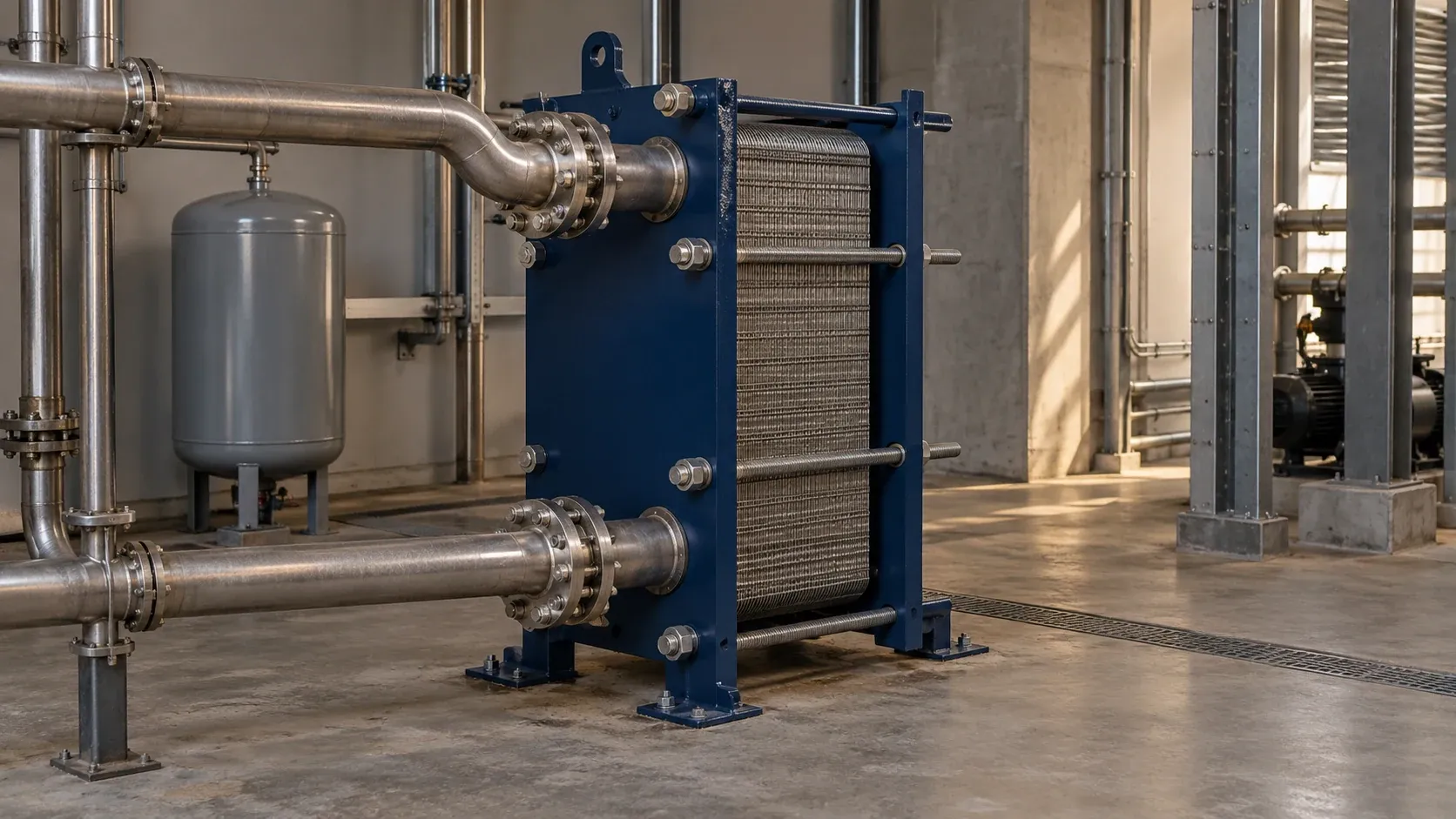
Choosing between GLDA and EDTA starts with the metal-control problem in the cleaner. Is the aim to control incoming water hardness, prevent a deposit, stabilize a metal-sensitive ingredient, or remove an existing scale? A change that works for one task is not automatically an approved replacement for the others.
MOS lists solid tetrasodium GLDA and tetrasodium EDTA as separate powder products. Their names identify possible supply routes, not an interchangeable dose or a guaranteed cleaning result. This guide explains how to narrow the comparison before deciding which grade to test.
Start with the metal-control job
For hardness control, calcium and magnesium entering with the dilution water are the starting load. For an existing scale, the deposit introduces another metal source as it dissolves. For color or oxidation stability, a much smaller amount of a transition metal may be the relevant problem. Record the metal species or practical water/soil profile rather than choosing a ligand from the word ‘chelating’ alone.
Nouryon’s chelates product guide treats metal type, amount and competing species as selection variables. In a mixed-ion system, a one-metal test is a starting point; the actual mixture can change the result. This is why a calcium-capacity figure cannot by itself approve control of iron-related discoloration.
Compare affinity at the operating pH
Affinity describes how favorably a particular metal–ligand complex forms. A stability constant, often written log K, refers to a specified metal and set of conditions. Conditional stability, log K′, also accounts for the pH-dependent state of the ligand. Comparing one published constant without its conditions can answer a different question from the one in the cleaning bath. In the cited Nouryon product guide, EDTA has higher reported log K values than GLDA for several metals under the documented reference conditions. That describes equilibrium affinity; it does not by itself establish which cleaner will perform better in use.
The pH of a prepared raw-material solution is therefore an identification or quality-control result, not the complete operating-pH window of its metal complexes. Nor is ‘EDTA stops working above pH 10’ a sound general selection rule. The target metal, competing species and precipitation conditions must be considered. A universal GLDA-versus-EDTA winner cannot be derived from stock pH.
Nouryon’s Dissolvine GL technical brochure also notes that practical calcium affinity can differ from a conditional-stability prediction. Use such references to select a plausible trial, then check the actual formulation. Do not copy a producer’s branded-liquid pH window or capacity into a specification for a different MOS solid grade.
Put capacity and quotation on one reporting basis
Capacity and affinity answer different questions. Capacity describes how much of a specified metal can be complexed on a stated product basis; affinity concerns the favorability of that binding under the conditions. A high quoted capacity does not establish the residual free-metal concentration that a particular formulation will achieve.
For a quotation comparison, identify whether the figure is per gram of supplied product or per gram of active ligand, and whether it is expressed as the actual metal or as a calcium-carbonate equivalent. Milligrams of CaCO₃ equivalent are not milligrams of calcium. The salt, hydrate, water content and assay basis also affect how many ligand molecules are delivered per kilogram.
Compare on an agreed ligand or verified capacity basis before deciding the starting trial dose. If those bases are missing, a kilogram-for-kilogram swap is an uncontrolled change. Even after the basis is aligned, the resulting trial dose is a starting point to test, not a promise of equal cleaning performance.
Use a trial endpoint that can answer the question
Keep the current approved cleaner as the reference. For a focused comparison, hold the base formulation, water/metal load, operating pH, temperature and contact conditions constant. Record any acid/base adjustment and added water: otherwise a change attributed to the ligand may instead come from pH or dilution. The comparisons below are engineering proposals, not reported MOS test results.
| Buyer task | Useful controlled comparison | What it does not establish |
|---|---|---|
| Ca/Mg hardness control | Residual available hardness at the actual dilution and pH, with an agreed method | Total Ca/Mg alone does not distinguish free from complexed ions. |
| Trace-metal stabilization | Relevant color/oxidation or other stability endpoint with a defined metal challenge and an unspiked control | A stable appearance does not establish universal metal-binding capacity or product shelf life. |
| Scale removal | Controlled scale/substrate cleaning at matched pH, contact time and agitation; include a reference and a no-chelant control | A clear liquid or high total dissolved metal alone does not prove complete scale removal or substrate compatibility. |
| Replacement in a finished cleaner | Cleaning result and compatibility in the same base formulation, water and use conditions | Equal powder mass, stock pH or a supplier capacity value does not prove equal cleaning performance. |
The analytical method matters. A free- or available-hardness endpoint is not the same as total calcium or magnesium after digestion. If an indicator, titration or other method interacts with the chelant, establish the method’s suitability with appropriate controls before interpreting a lower reading as successful sequestration. Do not report that all metal has been removed when it may instead remain dissolved as a complex.
For an apparent cleaning improvement, retain a no-chelant control as well as the approved-formula reference where the comparison permits it. This helps separate the contribution of the chelant from pH-driven dissolution or the base cleaner. Follow the relevant surface-compatibility check: more dissolved metal can be desirable scale removal or unwanted attack on the substrate. The measurement alone does not decide which.
Specify the replacement trial before requesting a grade
An EDTA replacement is ready for a sample enquiry when the task, metal profile, use conditions and acceptance endpoint are defined. Provide the current salt/grade, dose and reporting basis, and identify which property must be retained. Ask for the offered GLDA grade’s assay and capacity method so that the comparison can be prepared on the agreed basis; leave uncertain catalogue values for supplier confirmation. Include sample and order quantities, packaging, destination and required TDS/SDS/COA.
Use the GLDA product page to request the candidate for that trial. If the remaining choice is between GLDA and MGDA instead, the separate GLDA versus MGDA guide addresses that alternative. Neither comparison replaces application testing or documents a universal conversion ratio.