 中文
 English
 Russian

Calcium–Magnesium Fertilizer Compatibility: Separate the Stock Tank from the Final Dilution
Qualify the actual calcium–magnesium formulation at the stock,final-dilution and holding stages;keep physical screening separate from agronomic approval.
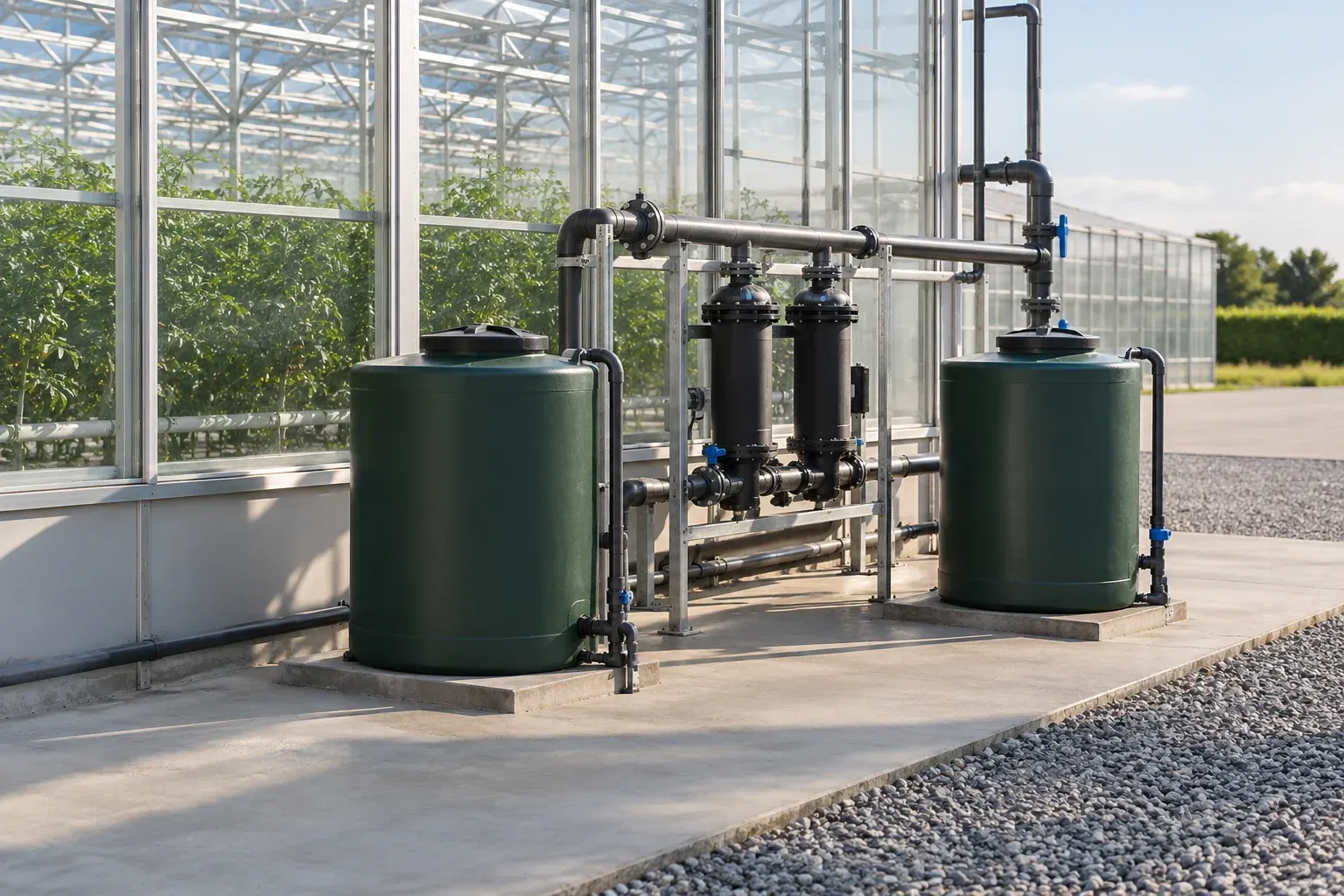
An amino-acid calcium–magnesium fertilizer is not automatically compatible with every phosphate or sulfate fertilizer. Before approving a blend, establish whether the buyer means a concentrated stock, the diluted irrigation mixture or a stored finished formulation. A clear result at one of those stages does not qualify the others. The useful purchasing question is not simply “Can these names be mixed?” but “Under which documented conditions has this exact combination been evaluated?”
Define the mixture before choosing a test
Start with the actual supplied materials. MOS lists an amino-acid calcium–magnesium powder and a separately specified liquid calcium–magnesium fertilizer. They are not interchangeable test samples. Preserve the specification of the exact supplied form; do not substitute a powder calculation for a liquid measurement.
The powder specification reports calcium on a CaO basis. That wording must travel with the result: a percentage expressed as CaO is not the same percentage of elemental calcium. Its pH is specified for a prepared aqueous sample, not as a universal pH for every concentrate. Preserve the stated preparation and ask for a current lot COA. The separate amino-acid assay guide covers free/total and reporting-basis comparisons; compatibility requires additional evidence.
Record the second fertilizer's full identity, supplied form and composition relevant to the proposed blend. Include actual water, concentration, temperature, order of addition, mixing and intended holding time. Those are experimental inputs, not optional details to fill in after a jar happens to look clear.
Keep concentrated stock and irrigation water separate
UF/IFAS fertigation guidance identifies precipitation involving phosphorus sources and calcium or magnesium as a potential source of emitter blockage. UC Agriculture and Natural Resources also describes calcium–sulfate incompatibility and representative jar testing. These are reasons to investigate a proposed mixture, not proof that every amino-acid formulation will precipitate or that a particular MOS lot will remain stable.
A chelated or complexed description does not by itself establish complete protection against every competing ingredient, pH or storage condition. Conversely, a general incompatibility chart is not a measured rejection of an identified finished formulation. Ask the supplier to resolve the actual matrix and process, rather than treating either a name or a generic chart as the final answer.
| Stage being qualified | What must represent the proposed use | What a clear observation does not prove |
|---|---|---|
| Concentrated stock | Actual ingredient levels, water, preparation sequence and tank hold | Compatibility after dilution, or permission to combine previously separated stocks |
| Final irrigation mixture | Actual injection ratio, representative water and operating temperature | Long-term storage stability of the concentrate |
| Stored formulation | Intended packaging, temperature exposure and defined observation period | Field response or unrestricted shelf life |
| Filter and delivery check | Agreed filter conditions and a representative delivery trial | Nutrient availability, crop safety or performance in every emitter |
Separate-stock dosing can avoid one concentrated contact condition, but is not a blanket clearance: ingredients still meet in the delivered water. The final dilution needs its own assessment. This distinction helps a buyer specify what a supplier's “compatible” statement actually covers.
Build a controlled compatibility screen
Agree the protocol and acceptance criteria with the supplier or laboratory before running the comparison. Use representative water and labelled samples of the actual lots. Include water alone and each fertilizer separately at the relevant concentration, alongside the proposed combination. These controls help distinguish an existing water or single-product issue from a change associated with mixing; they do not identify a precipitate chemically.
Keep preparation, temperature and handling consistent. Evaluate concentrated stock and final dilution as separate conditions if both matter. Record observations immediately and after the planned holding period: haze, sediment, separated layers, gel-like material, viscosity changes and the relevant filtration behaviour. A photograph can document appearance, but cannot establish composition or a quantitative acceptance threshold.
Do not invent a universal mixing order, observation duration or “safe” dose from a general guide. Those choices must represent the specific products and intended operation. If the proposed water or concentration later changes, the original test may no longer represent the purchase.
Interpret a result without overclaiming
If the combination changes while both single-product controls remain acceptable, the result supports further investigation of the combination under those conditions. It does not establish which ion or ingredient caused the change. If a single-product control also changes, first investigate that material, its preparation and the water before blaming the pair.
A physically acceptable screen is only one gate. It does not demonstrate nutrient uptake, crop tolerance, fertilizer registration or a claimed yield benefit. Agronomic and delivery-system suitability need their own evidence.
Turn the findings into a usable purchase specification
For the offered calcium–magnesium material, send the exact supplied form, lot or sample identity, current COA, the other ingredients, water analysis, stock and final concentrations, holding conditions and intended delivery system. State the agreed physical and filtration acceptance criteria. Add quantity, packaging and destination so the technical review and quotation concern the same material and use.
The valuable supplier response distinguishes what has been verified from what remains to be tested. Keep the stock-tank decision, final-mixture decision and agronomic decision separate; that is more useful than an unsupported promise that an amino-acid label makes every blend safe.